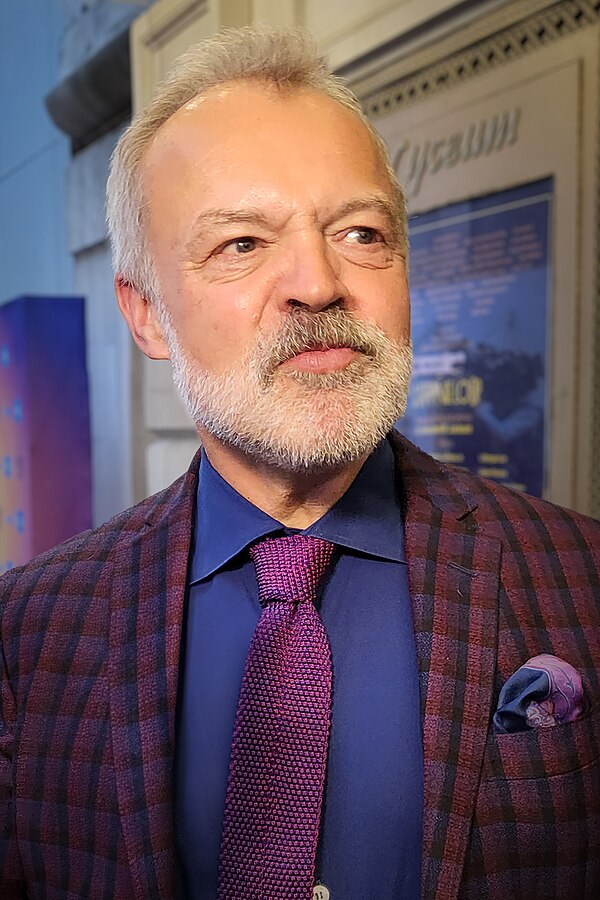
Is Graham Norton Gay?
Introduction
Graham Norton, born Graham William Walker, is an Irish-British comedian, actor, and television presenter best known for hosting “The Graham Norton Show,” one of the most popular late-night talk shows in international television. He is openly gay and has built a remarkably successful career in entertainment while being an out and proud LGBTQ+ advocate. Norton’s natural comedic talent, authentic personality, and willingness to discuss LGBTQ+ issues openly have made him a beloved figure in international television and popular culture. His success demonstrates that living openly and authentically does not limit professional achievement.
Coming Out and Public Openness
Graham Norton is openly gay and has been throughout his career in entertainment. He has discussed his journey of coming out candidly and has spoken openly about the challenges of being gay in Ireland during his formative years.
In interviews, Norton has reflected thoughtfully on his upbringing in Cork, Ireland, where LGBTQ+ acceptance was severely limited during his childhood and adolescence. He has stated: “If I had come out… I may have been dead in a ditch,” highlighting the genuine dangers and discrimination that gay individuals faced in Ireland during that era. This stark statement reflects the hostile environment LGBTQ+ people navigated.
Despite these significant challenges and dangers, Norton eventually declared himself gay to the world through his public work and media presence. He has noted that most people in his life already assumed he was gay before he formally came out to them, reflecting the obvious nature of his identity to those around him. This experience is common among gay men who find their identity apparent to others even when they try to hide it.
Career Success
Norton rose to prominence through his work on British and Irish television, establishing himself as a talented entertainer across multiple show formats. He has hosted several successful shows including “So Graham Norton,” “The Graham Norton Effect,” and most notably “The Graham Norton Show,” which has been running continuously since 2007.
“The Graham Norton Show” became a major television program featuring celebrity interviews, comedic sketches, and entertainment segments. The show’s consistent success over nearly two decades demonstrates that LGBTQ+ individuals can achieve prominence in mainstream entertainment without hiding their identity. Norton’s show has won numerous awards and maintains high viewership globally.
LGBTQ+ Advocacy
Openly gay throughout his career, Norton has been an active and vocal advocate for the LGBTQ+ community. He frequently discusses LGBTQ+ issues on his show and uses his significant platform to support and celebrate the community.
Norton has been outspoken about LGBTQ+ rights and equality issues, taking public stances on important matters. For example, he publicly criticized a controversial payout made by an Irish broadcaster to anti-gay marriage groups, demonstrating his commitment to LGBTQ+ advocacy and his willingness to speak out against discrimination.
Professional Impact
Norton’s success as an openly gay television presenter and comedian helped pave the way for greater LGBTQ+ visibility in broadcasting and entertainment. His comedic talent, sharp wit, and authentic presence have made him a relatable and beloved figure for audiences worldwide across cultures and demographics.
His openness about his sexuality while maintaining professional excellence has challenged stereotypes and demonstrated conclusively that sexual orientation does not limit professional achievement, entertainment value, or audience connection. His career is a testament to the value of authenticity in entertainment.
Conclusion
Confirmed: Graham Norton has publicly identified as gay, based on interviews reported by LGBT Archive UK, The Irish Post, and Attitude Magazine. His consistent openness about his homosexuality and active support for the LGBTQ+ community are well-documented throughout his career.